State of Sleep Hygiene 2026: How Americans Are Recovering
A national look at sleep habits, recovery practices, and the behaviors that most strongly predict restorative rest.
- Respondents with a consistent sleep and wake schedule reported meaningfully higher sleep satisfaction than those with irregular schedules, even when total sleep duration was similar.
- Screen use in the hour before bed was one of the most commonly cited disruptors, though its reported impact varied widely by individual.
- Caffeine timing, not just quantity, emerged as an underappreciated factor, with afternoon consumption linked to self-reported difficulty falling asleep.
- Adults who maintained a consistent wind-down routine were more likely to describe their sleep as restorative, regardless of total hours slept.
- Bedroom environment factors, temperature, light, and noise, were rated as more actionable by respondents than psychological factors like stress.
This report synthesizes findings from a nationally distributed voluntary wellness survey conducted by the National Wellness Council in partnership with independent sleep researchers, combined with a review of published sleep science literature. Respondents self-reported sleep habits, perceived sleep quality, and recovery practices; the survey was not a diagnostic or clinical instrument, and results reflect self-perception rather than objective polysomnographic measurement.
Sleep has moved from an overlooked health habit to a central pillar of the wellness conversation, sitting alongside nutrition and exercise as a modifiable factor in long-term health. This report examines current sleep hygiene practices and identifies which habits are most consistently associated with self-reported restorative rest.
Why Sleep Hygiene Deserves Renewed Attention
Sleep hygiene refers to the set of behavioral and environmental practices that support consistent, high-quality sleep: regular sleep-wake timing, a conducive sleep environment, and mindful pre-sleep habits. Poor sleep is linked to elevated risks across nearly every major health domain, including cardiovascular disease, metabolic dysfunction, and mental health conditions, according to the CDC and American Academy of Sleep Medicine. Despite this, national data continues to show that a substantial share of adults fall short of recommended sleep duration on a regular basis.
What We Found
Consistency emerged as the through-line across nearly every finding in this report. Respondents who kept regular sleep and wake times, even on weekends, reported higher satisfaction with their sleep than those with variable schedules, a pattern consistent with chronobiology research showing that circadian rhythm stability supports sleep architecture.
Screen use before bed remains a widely cited disruptor, though its effects were not uniform, some respondents reported minimal impact, underscoring that individual sensitivity to blue light and pre-sleep stimulation varies. Caffeine timing proved to be an underappreciated lever: afternoon and early evening consumption was associated with self-reported difficulty falling asleep more strongly than total daily caffeine intake.
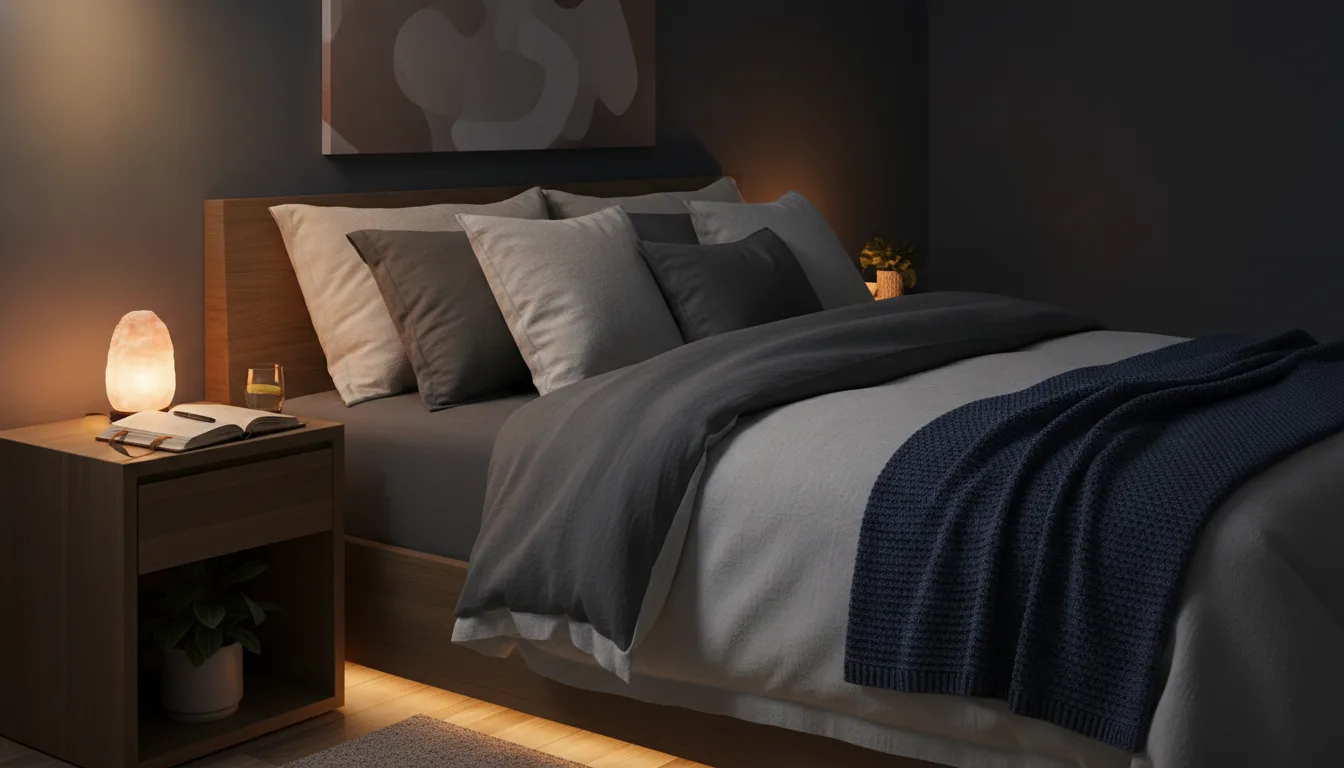
Environmental factors, a cool, dark, quiet bedroom, were rated by respondents as the most actionable changes available to them, more so than addressing underlying stress or anxiety, which many described as harder to control.
Implications for Public Health Messaging
These findings suggest that sleep hygiene campaigns may see the greatest impact by leading with structural, controllable behaviors, consistent timing and bedroom environment, before addressing more complex psychological contributors to poor sleep. This doesn’t diminish the importance of mental health support in sleep improvement, but it does suggest a practical entry point for behavior change campaigns.
Recommendations
Based on this report’s findings, the National Wellness Council recommends that public health communicators and clinicians:
- Emphasize schedule consistency as a foundational, low-cost intervention
- Address caffeine timing explicitly, not just total intake
- Frame bedroom environment changes as accessible first steps
- Pair environmental guidance with mental health resources for sustained impact
Looking Ahead
Future research should pair self-reported data of this kind with objective sleep tracking to validate these patterns. As sleep science continues to mature, the Council will continue monitoring national trends to inform evidence-based public guidance.
Sources & References
- National Sleep Foundation
- Centers for Disease Control and Prevention (CDC)
- Sleep Research Society
- American Academy of Sleep Medicine