How Community Gardens Are Quietly Improving Neighborhood Health
Beyond fresh produce, community garden programs are strengthening social ties and mental wellbeing block by block.
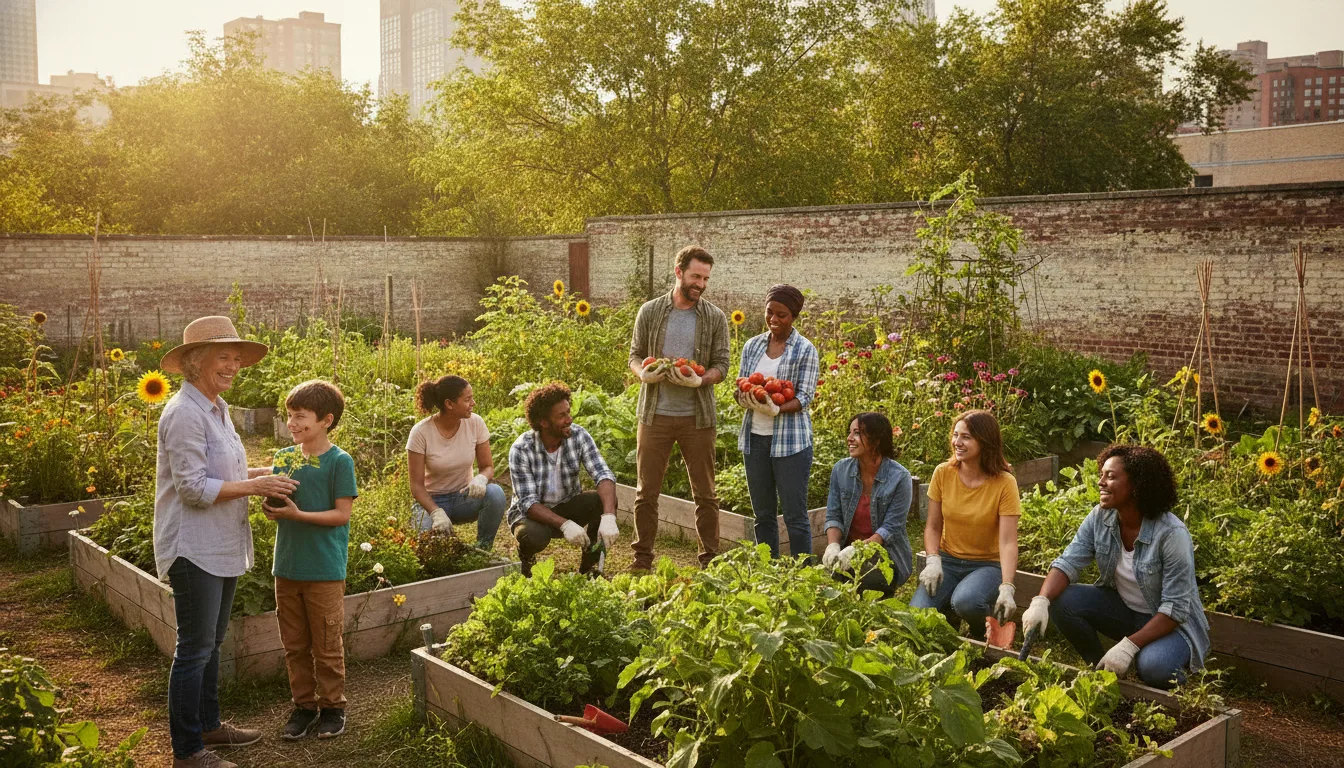
Tucked between apartment buildings and vacant lots in cities across the country, community gardens are producing more than tomatoes and herbs. A growing body of public health research suggests these shared green spaces deliver measurable benefits for both physical health and social cohesion, benefits that extend well beyond the produce harvested.
More Than a Source of Fresh Food
The most obvious benefit of community gardens is improved access to fresh produce, particularly valuable in neighborhoods classified as food deserts, areas with limited access to affordable, nutritious food. Studies examining community garden participants have found associations with increased vegetable consumption compared to non-participating neighbors, a meaningful shift given how few American adults meet recommended daily vegetable intake.
But researchers studying these programs have identified benefits that go well beyond nutrition. Gardening itself is a form of moderate physical activity, involving digging, bending, and carrying that provides functional movement benefits, particularly valuable for older adults who might not otherwise engage in structured exercise.
The Social Health Dimension
Perhaps the most underappreciated benefit lies in social connection. Community gardens create a natural, recurring reason for neighbors, who might otherwise never interact, to spend time together around a shared purpose. Public health researchers increasingly recognize social isolation as a significant risk factor for both mental and physical health decline, comparable in some research to more traditional risk factors like smoking.
Garden programs studied by public health researchers report that participants frequently describe increased feelings of neighborhood belonging and reduced social isolation, particularly among older adults and new residents who may lack existing social networks in their communities.
Mental Health Benefits
Time spent gardening has also been linked to reduced stress and improved mood, benefits researchers attribute to a combination of physical activity, time outdoors, and the sense of accomplishment associated with nurturing plants. Some community mental health programs have begun incorporating therapeutic gardening components explicitly for this reason.
Building a Successful Program
Public health organizations that study community garden initiatives point to several factors associated with program success:
- Accessible plot fees or sliding-scale participation, ensuring the program doesn’t exclude lower-income residents
- Shared infrastructure, including tools, water access, and communal compost systems
- Regular community events, such as harvest celebrations, that reinforce social bonds beyond routine garden maintenance
- Partnerships with local health departments or nonprofits, which can provide resources and sustainability support
A Model Worth Replicating
As cities look for cost-effective ways to improve public health outcomes, community gardens offer a compelling model: relatively low-cost to establish, capable of delivering nutritional, physical, and social benefits simultaneously, and driven largely by resident participation rather than top-down intervention. For neighborhoods looking to strengthen both individual and collective wellbeing, a community garden may be one of the most practical starting points available.
Sources & References
- American Community Gardening Association
- Centers for Disease Control and Prevention
- Journal of Community Health