A Practical Guide to Anti-Inflammatory Eating
Chronic low-grade inflammation is linked to a host of conditions. Here's how to build an eating pattern that helps keep it in check.
Our Picks
Inflammation is a normal, necessary part of the body’s healing response, but when it becomes chronic and low-grade, persisting quietly for months or years, it has been associated with elevated risk for cardiovascular disease, type 2 diabetes, and other conditions. While no single food causes or cures inflammation, dietary patterns can meaningfully influence the body’s inflammatory load over time.
Understanding the Pattern, Not the Product
Nutrition researchers increasingly emphasize that anti-inflammatory eating is about overall dietary patterns rather than individual “superfoods.” The Mediterranean eating pattern, rich in vegetables, fruits, whole grains, legumes, and olive oil, remains one of the most well-studied approaches associated with favorable inflammatory markers, according to research reviewed by the American Heart Association.
Core Principles to Build Around
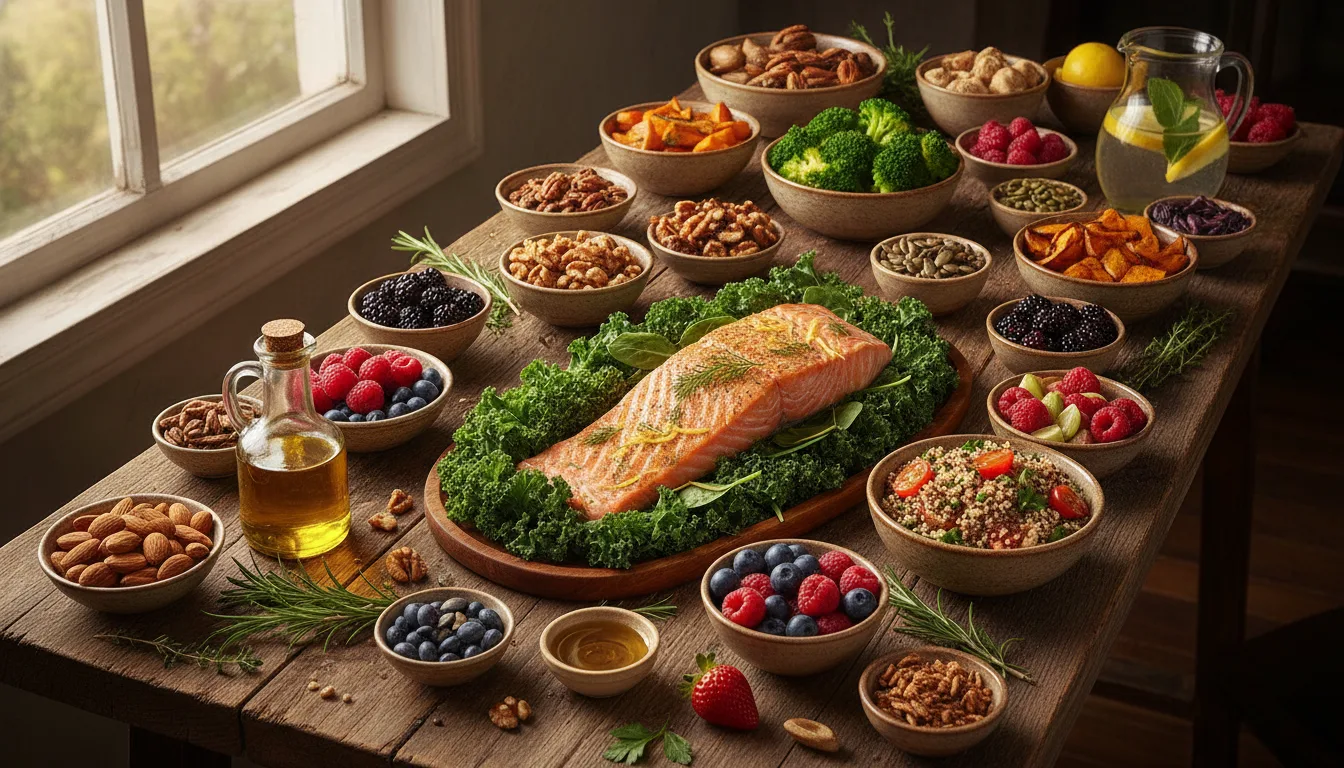
1. Prioritize colorful plants. Vegetables and fruits contain polyphenols and antioxidants that researchers believe help neutralize oxidative stress, a contributor to chronic inflammation. Aim for variety across the color spectrum rather than relying on any single item.
2. Choose healthy fats deliberately. Extra virgin olive oil, avocados, nuts, and fatty fish provide monounsaturated and omega-3 fatty acids, associated in research with more favorable inflammatory profiles than diets high in refined vegetable oils.
3. Favor whole grains over refined carbohydrates. Refined grains and added sugars are more strongly associated with elevated inflammatory markers than their whole-grain counterparts, which retain fiber that supports a healthy gut microbiome.
4. Include fatty fish regularly. Salmon, sardines, and mackerel are among the richest dietary sources of long-chain omega-3s, EPA and DHA, compounds central to much of the anti-inflammatory nutrition research.
5. Limit ultra-processed foods. Diets high in processed meats, refined sugars, and industrial seasoning oils have been consistently associated with higher levels of inflammatory biomarkers like C-reactive protein.
Building a Sample Day
A practical anti-inflammatory day might include a breakfast of oats topped with berries and walnuts, a lunch built around leafy greens, legumes, and olive oil dressing, and a dinner featuring a fatty fish with roasted vegetables. Herbs and spices, including turmeric and ginger, can be incorporated throughout, though their concentrated effects in supplement form remain an active area of study.
Where Supplements Fit
Whole foods should remain the foundation of any anti-inflammatory approach. Supplements can help fill specific gaps, such as omega-3 intake for those who don’t regularly eat fish, but should not be viewed as substitutes for dietary quality. Anyone considering supplementation, particularly alongside existing medications, should consult a healthcare provider first.
A Realistic, Sustainable Approach
Rather than an all-or-nothing overhaul, most nutrition professionals recommend gradual shifts: adding one more vegetable-forward meal per week, swapping refined grains for whole grains, or replacing processed snacks with nuts and fruit. Sustainable change, built incrementally, tends to outlast dramatic short-term dietary resets.
Sources & References
- American Journal of Clinical Nutrition
- Harvard T.H. Chan School of Public Health
- American Heart Association
- National Institutes of Health